The AIDAN LAB
The AIDAN Lab cultivates a collaborative and mentorship-centred environment that empowers students to proficiently develop the necessary skills for top-notch research.
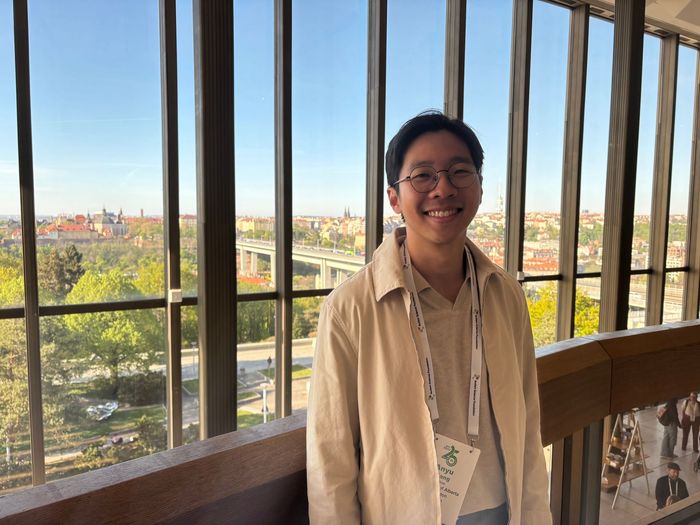
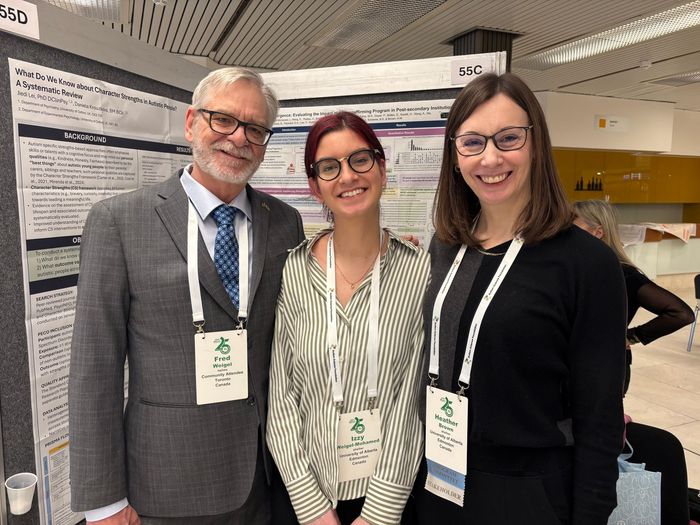
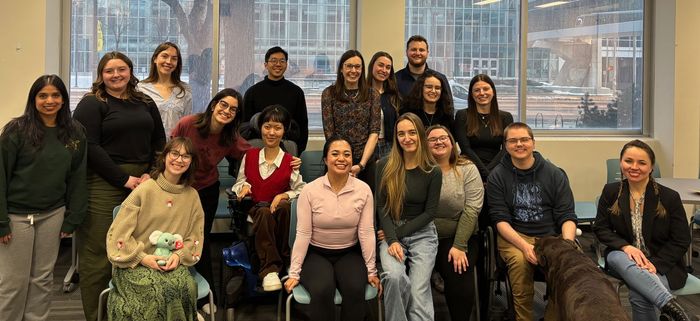
Headed by Dr. Heather M. Brown, an Autistic researcher specializing in autism, our diverse research network comprises numerous faculty, students, volunteers, and community members.
Some Important Definitions
-
NeurotypicalList Item 1
Any individual whose neurological makeup is similar to most other brains
-
NeurodivergentList Item 2
Any individual whose neurological makeup differs from the norm (such as autism or ADHD)
-
NeurodiversityList Item 3
The biological fact that all brains are different
-
Neurodiversity MovementList Item 4
A social-justice movement that urges us to include and respect people whose brains work in different ways, regardless of ability or disability
The Neurodiversity Paradigm
Supporters of the Neurodiversity Paradigm believe...

- Diversity in human brains is valuable
- A "normal" brain is a culturally constructed fiction
- The power inequalities and stigma experienced by neurodivergent peoples mirror social dynamics toward other minority identities (such as racial, ethnic, and religious minorities)

Cassie Brown and Aidan Lade
Our Mission
To capture all the ways in which autistic people thrive
...at home, school and in the greater community
To uncover strategies to support the academic achievement and overall well-being of autistic children, youth and adults
Vision
The AIDAN Lab is devoted to generating and disseminating knowledge that empowers Autistic children, youth, and adults to flourish.
We embrace strength-based approaches to autism, focusing on environmental supports that enhance functional abilities rather than focusing on deficits (Steiner et al., 2018). These approaches can “empower autistic individuals to experience happiness and lead fulfilling lives” (Urbanowicz et al., 2019).
By exploring how Autistic individuals learn, our research will guide the creation of targeted supports for Autistic students, helping to bridge the divide between academic achievement in childhood and successful societal engagement in adulthood.
Collaboration
Collaborative partnerships improve a community's health and well-being by encouraging people to come together and make a difference. Thus, the research conducted within the AIDAN Lab employs various methodological frameworks, activities, and collaborative efforts with Autistic co-researchers to ensure that Autistic perspectives are valued and heard at every stage of the research process. We are committed to knowledge translation in academic and public settings to increase the accessibility of research findings.
Diversity
The AIDAN Lab serves as a psychologically safe and inclusive environment for students, faculty, and staff with disabilities, as well as their allies. We understand that every facet of human diversity is both natural and valuable, encompassing ability, race, ethnicity, religion, class, gender identity, and sexual orientation. Echoing the ethos of the Autistic Self-Advocacy Network (ASAN) with the phrase "Nothing About Us, Without Us," we strive to engage neurodivergent individuals in leadership roles to guide our initiatives to foster systemic change and enhance success for all neurodivergent individuals.
We are acutely aware that neurodivergence intersects with a range of other minority identities; therefore, we are dedicated to elevating the stories of multiply marginalized Autistic individuals and confronting both historical and ongoing oppression to highlight autism as a “personal cultural identity characterized by pride” (Chiang, 2019; Peters, 2000).
Education
To educate the university and broader community about ableism (including both its overt and more subtle forms) by offering interactive learning opportunities.
Ableism is...
"A set of beliefs or practices that devalue and discriminate against people with physical, intellectual, or psychiatric disabilities and often rests on the assumption that disabled people need to be ‘fixed’ in one form or the other. "
"Ableism is intertwined in our culture, due to many limiting beliefs about what disability does or does not mean, how able-bodied people learn to treat people with disabilities and how we are often not included at the table for key decisions" (Leah Smith)